 Português do Brasil
  English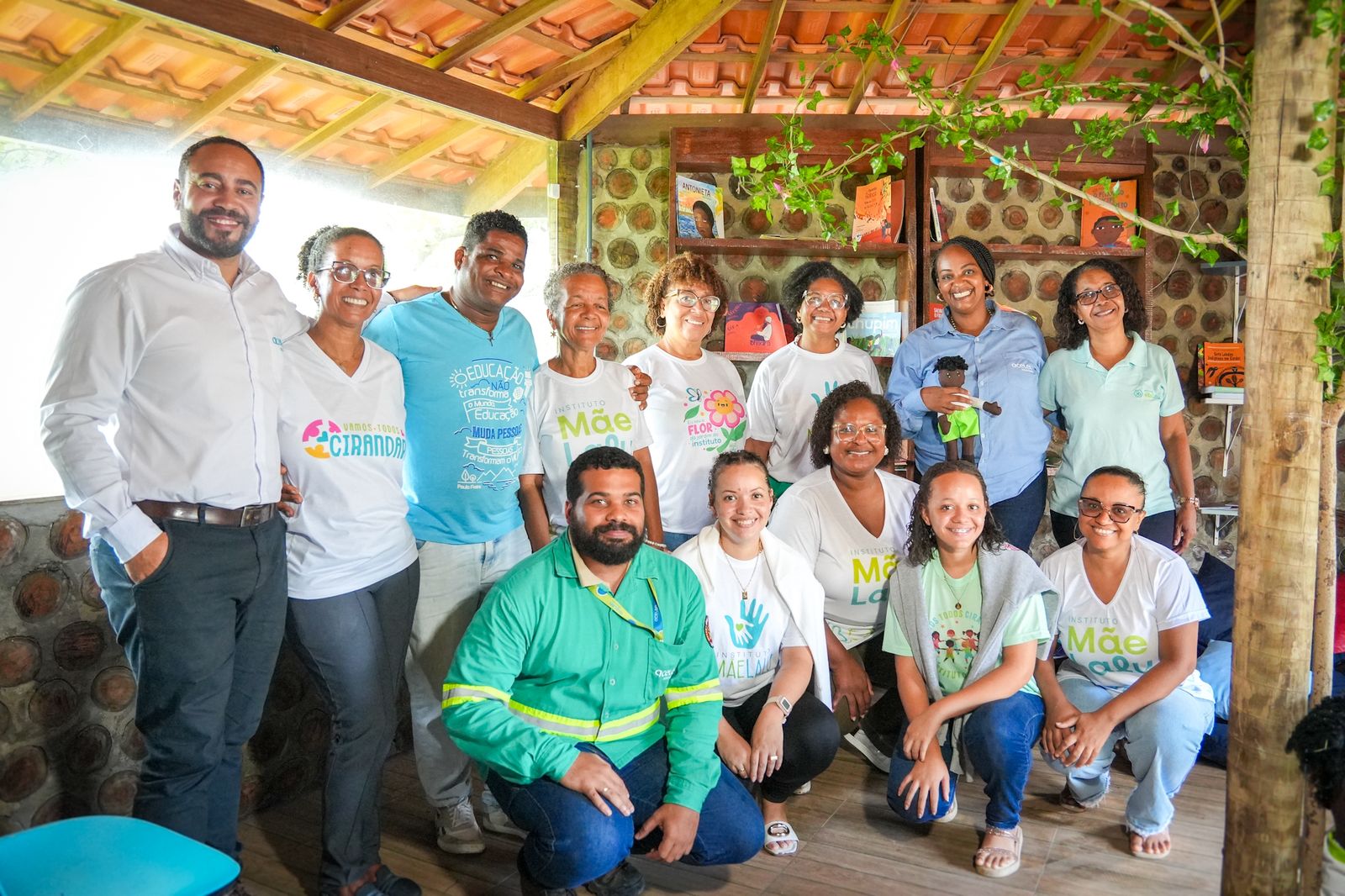
The “Pés no Quilombo” initiative, supported by Acelen Renewables, empowers communities in the Recôncavo Baiano region, promotes local culture, and generates income
The memories, knowledge, and landscapes of the quilombo communities in the IguapeBasin and Valley, in the Recôncavo Baiano region, are finding new avenues for cultural appreciation and income generation. The “Pés no Quilombo: cirandando nas trilhas do Iguape” project was launched last Friday (April 24) with support from AcelenRenewables and implementation by the Mãe Lalu Institute. It promotes the training of young people, women, and community leaders so that they can work with community-based tourism and educational tourism experiences.
The initiative will connect visitors to the history, ancestry, cuisine, trails, waters, and traditional ways of life of the quilombo territory. The goal is to transform community members, especially girls and women, into local tourism guides and managers, fosteringmeaningful learning for visitors. Through this, the initiative seeks to enhance the region’s cultural value, conserve the local environment, and generate income for the population.
For Acelen Renewables, supporting the project aligns with its strategy for regional development and value creation in the areas where the company operates, such as Cachoeira, in the Recôncavo Baiano, where the first farm dedicated to growing macauba is located. Macauba is a native Brazilian plant that will be used as a feedstock for the production of sustainable aviation fuel (SAF) and renewable diesel.
With its innovative biofuels project, the company plans to plant macauba on 180,000 hectares of degraded pastureland in Bahia and Minas Gerais, an area with the potential to capture approximately 60 million tons of CO₂. Of the cultivated areas, 20% will be developed in partnership with family farms and small producers, thereby enabling Acelen to drive regional development, promote productive inclusion and sustainability in rural areas, and become a key player in the energy transition process in Bahia and Brazil.